TnG, GrabPay, Boost vs Credit Card — Build a Daily Money System That Doesn’t Leak
When to use Touch ’n Go, GrabPay, Boost vs credit or debit in Malaysia — fees, stacking traps, top-ups, weekly system, and scenarios that don’t wreck your budget.
Start here if you’re lost
- 60-second pick: Payment A / B / C cheat sheet
- Full table + scenarios: Debit vs credit vs e-wallet
- This page: the daily stack (top-ups, leaks, weekly float)
The simple system (steal this)
| Layer | Role |
|---|---|
| Debit / salary account | Source of truth |
| E-wallet | Small daily float (food, parking, QR) |
| Credit card | Planned spends + rewards (pay full) |
You’re not “bad with money” because you have three apps. You’re leaking when credit funds lifestyle via wallet “because cashback.”
Not financial advice. Campaign T&Cs change monthly — read them.
E-wallets — the daily sidekick
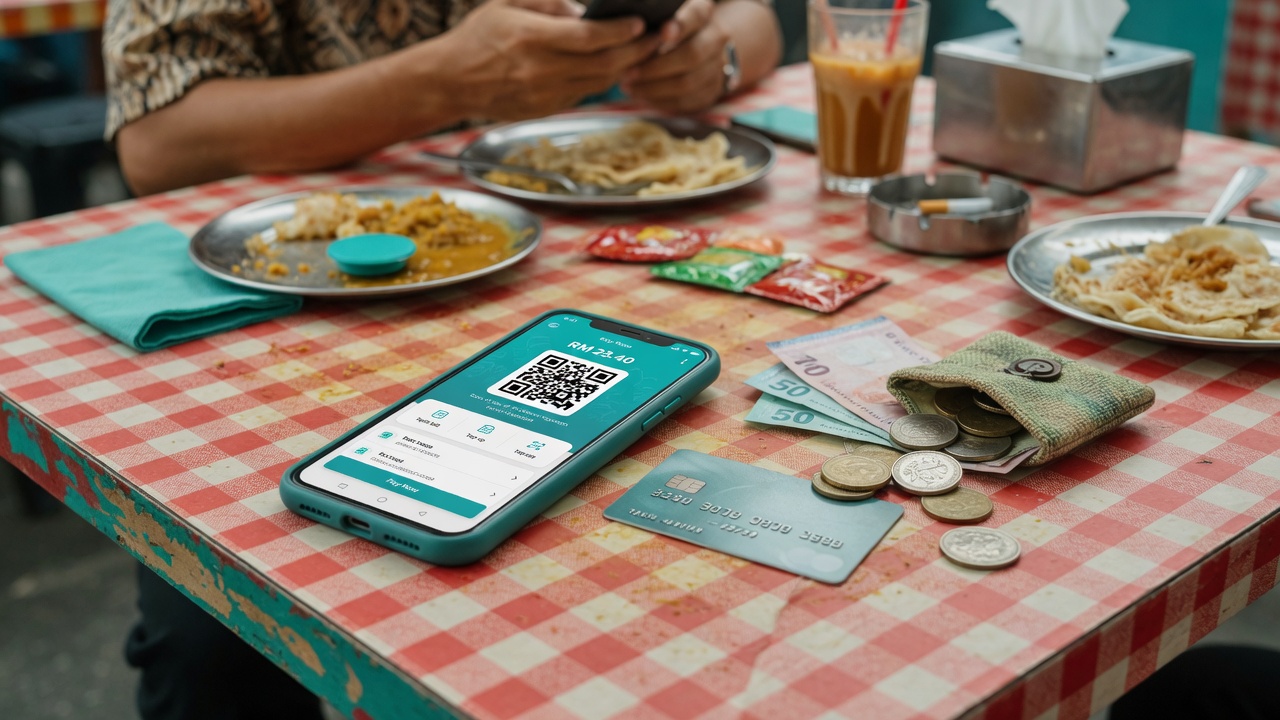
Think Touch ’n Go eWallet, GrabPay, Boost and friends — names vary; the job is the same: preloaded speed.
Good for
- QR merchants and mamak speed
- Parking / tolls (where supported)
- Small everyday payments
- Promo vouchers (read the min spend, always)
Watch
- Top-up fees from some channels
- Promo min spends that invent extra buys
- Balance sitting idle that becomes mystery spending
- Linking credit for top-up when it voids card rewards
Pro move: weekly fixed top-up (e.g. RM100–200) from debit. When float is gone, party’s over. That’s the feature.
Credit card — the planned-spend weapon
Good for
- Larger online purchases
- Categories with real cashback after caps
- Hotel holds / bigger carts
- Building history if paid in full
Watch
- Interest if you don’t pay full
- Linking card → wallet may void or change rewards
- Using credit as “extra salary”
Browse carefully: Priceory credit cards Beginners: First card, calmly
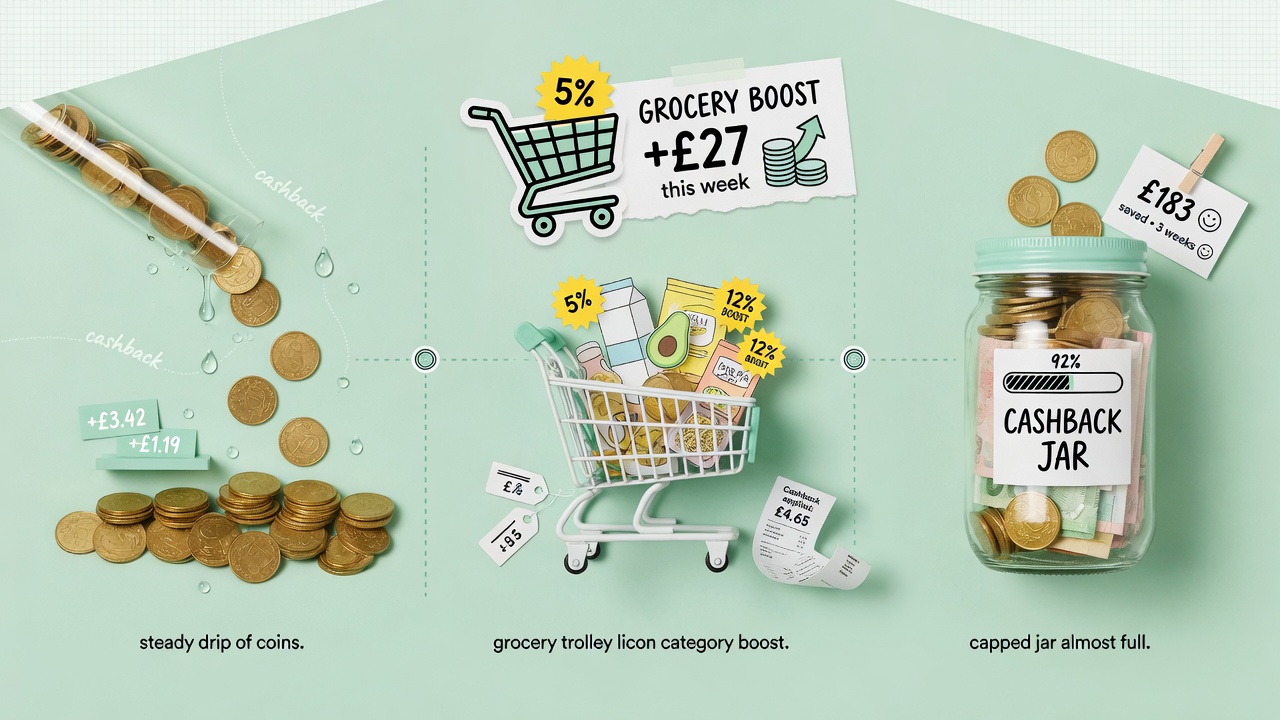
Stacking cashback — sometimes genius, sometimes crime
| Stack | Reality |
|---|---|
| Card cashback + wallet campaign | Sometimes works — check current T&Cs |
| Credit top-up → wallet → daily snacks | Often voids card rewards or creates debt cosplay |
| Min-spend shopping “for promo” | You pay for the voucher with cart junk |
| Double-dip that needs three apps open | If it’s confusing, skip it |
Rule: if you can’t explain the stack in one sentence, you’re the product.
Recommended daily setup
- Salary → current account.
- Weekly wallet top-up from debit only.
- Groceries: debit or credit you pay in full — after price compare.
- One credit card max in the physical wallet.
- Never fund chaos with minimum payments.
Persona map: A debit / B credit / C e-wallet Full table: Three-way compare
Scenario speedrun
| Moment | Play |
|---|---|
| Parking + teh tarik | E-wallet (capped float) |
| Weekly hypermarket | Priceory first, then debit or full-pay credit |
| Big Shopee haul | Credit (full pay) if rewards real |
| Cleaning up debt | Debit + wallet only (payoff) |
| Overseas trip | Credit carefully + debit backup; watch FX |
| Teen / first job | Debit + small wallet; credit later |
Worked month: Aina’s leak audit
| Leak | Fix |
|---|---|
| Auto top-up RM50 from credit whenever wallet low | Weekly debit top-up only |
| Three wallets with RM40 idle each | One primary wallet |
| “5% campaign” → bought extras | Ignore campaigns under RM30 true value |
| Card min pay while wallet thrives | Kill wallet float until card is clear |
After the audit, her cashback finally shows up as net money, not a story she tells friends.
Grocery still comes first
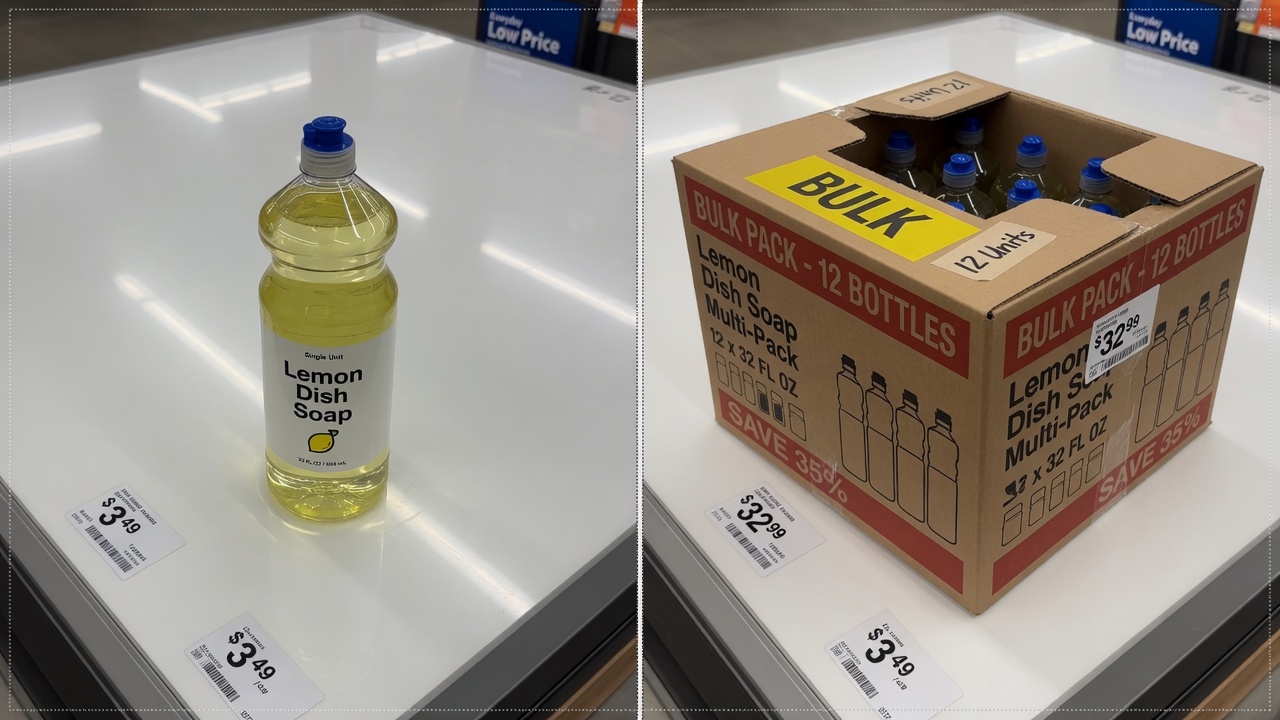
1% back on a pack that was RM2 more expensive at store B is still a loss.
Jimat playbook · Pantry Jimat · Grocery pay A/B/C
Bottom line
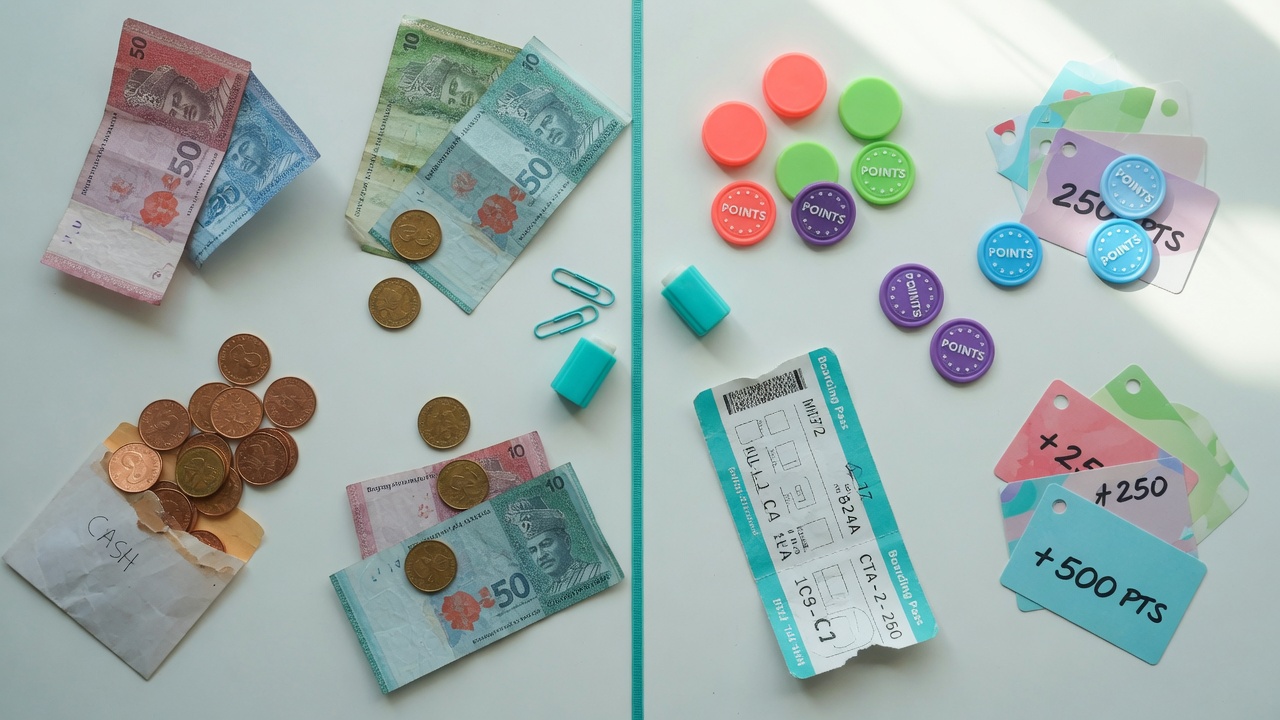
E-wallet = speed with a leash. Credit = rewards only if full pay. Debit = the adult in the room.
CTA: Cards → · Debit guide