
Guides · policy
Harga Terkawal 2026 — Controlled Prices vs Real Shelf Prices in Malaysia
Understand Malaysia’s Harga Terkawal price controls, how they differ from supermarket promos, which staple categories shoppers watch, and how to still find cheaper shelves on Priceory with real multi-store tactics.
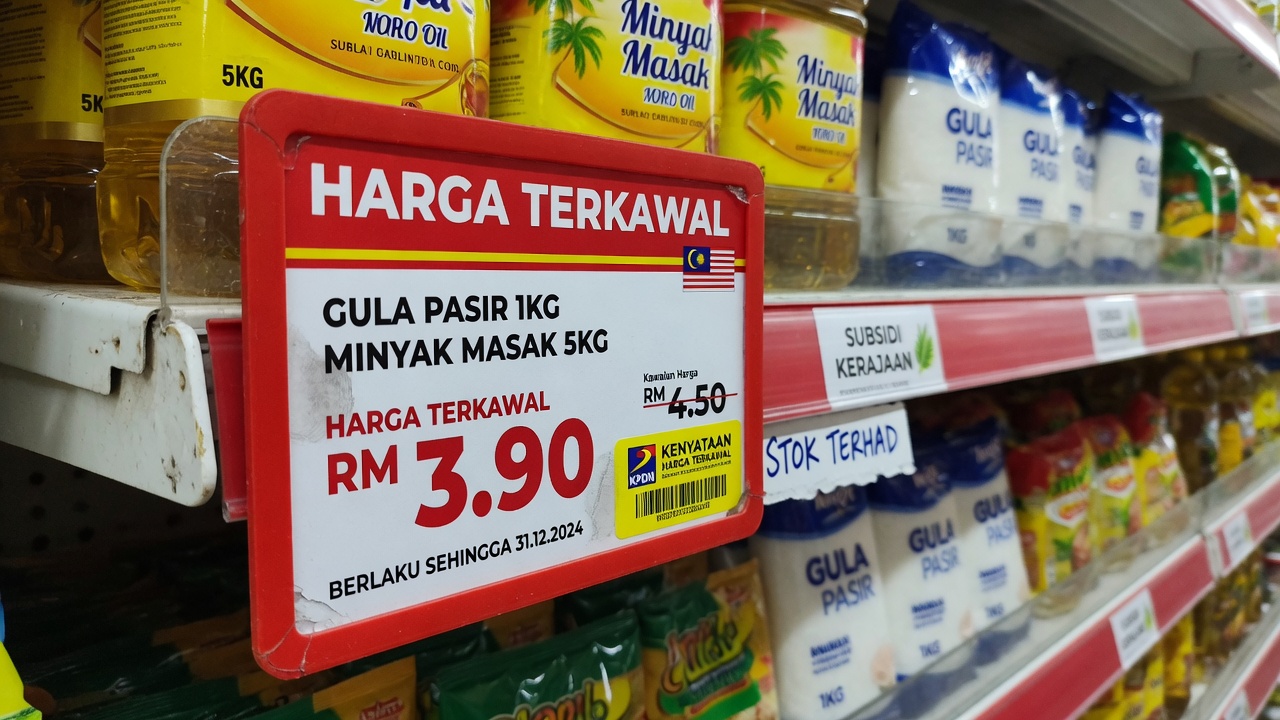
What is Harga Terkawal?
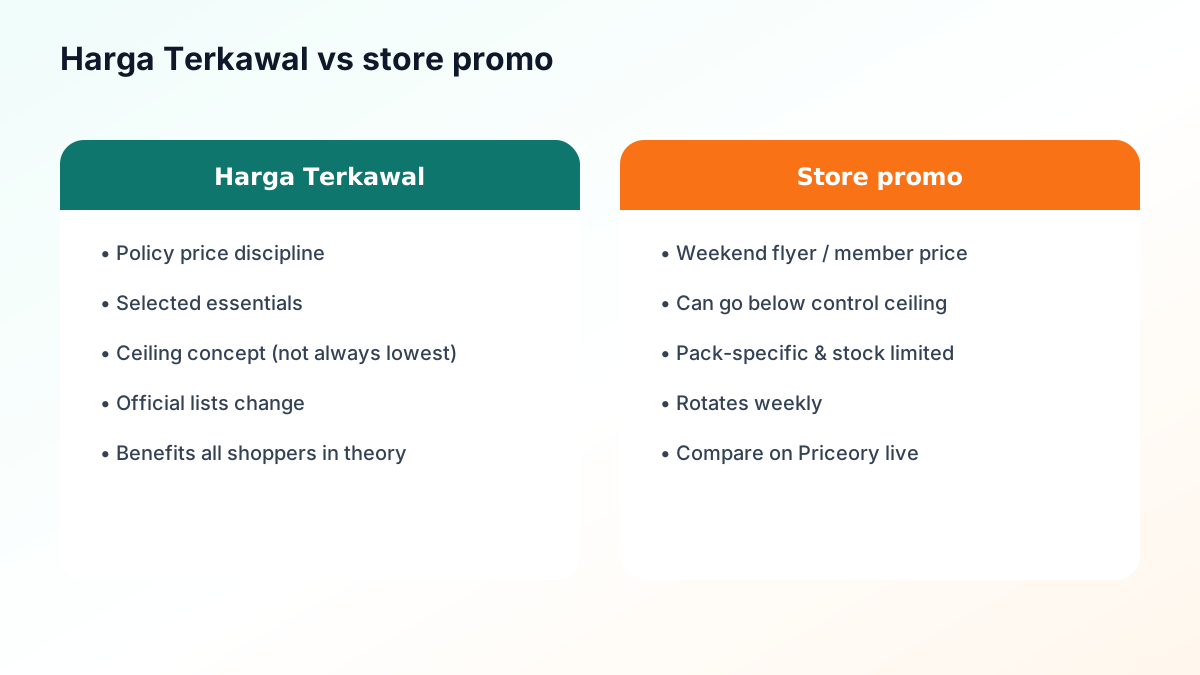
Harga Terkawal is the Malay phrase shoppers use for government price-control measures on selected essential goods — often associated with KPDN and related regulations. In plain English: for certain staples during defined periods, authorities set rules intended to stop excessive retail mark-ups.
That is not the same thing as:
- A Lotus’s / AEON weekend flyer promo
- A member price on a loyalty card
- A multi-buy (“2 for RMX”)
- A store’s internal clearance sticker
In Bahasa: harga kawalan melindungi barangan keperluan, tetapi harga promosi kedai boleh lebih rendah lagi.
Priceory is not the official gazette. We show observed catalogue / flyer prices from merchants we scrape. Always treat legal maximums and official lists as something you verify from government sources when compliance matters.
Why your receipt still differs by store
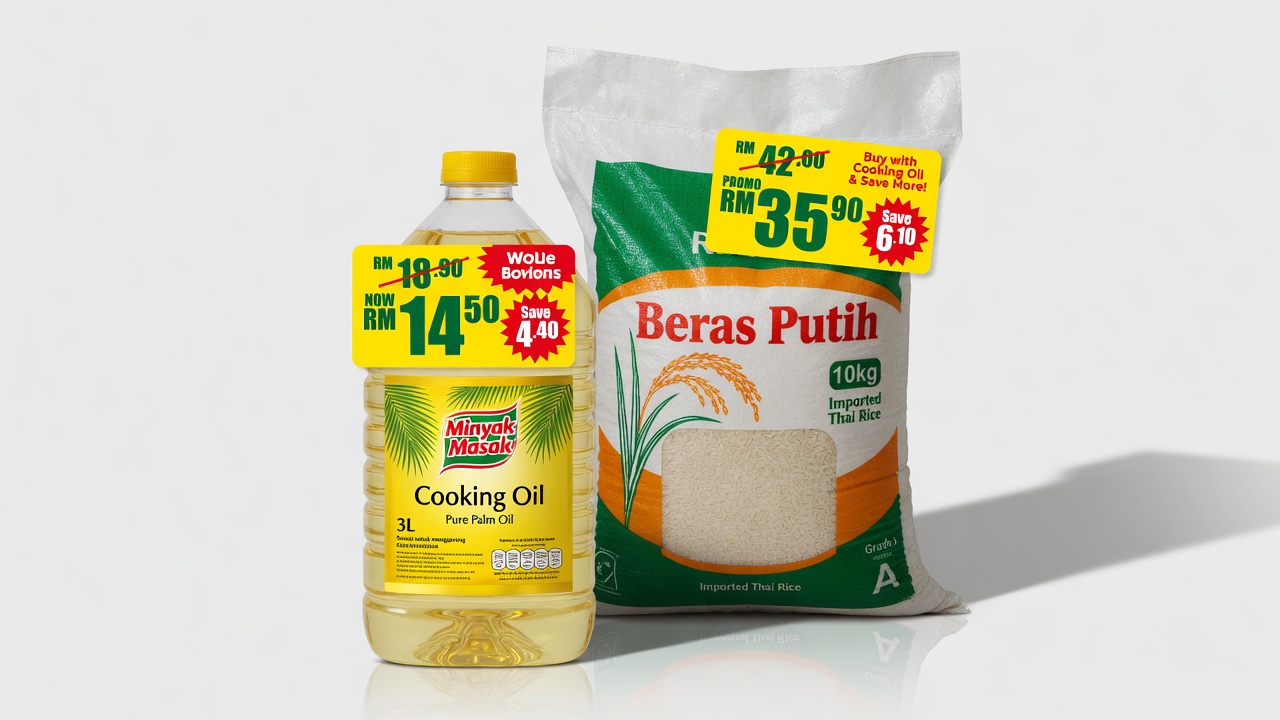
Even when an item sits under a control framework, Malaysian shoppers still see different numbers because of:
- Pack size — same brand, 1kg vs 2kg
- Brand tier — house brand vs premium
- Promo stacking — temporary cuts under a ceiling
- Location & stock — out-of-stock forces substitutes
- Channel — online myAEON2go vs in-store flyer SKUs
So “there is a Harga Terkawal” does not mean “every shelf shows the identical RM”.
Categories Malaysians usually watch
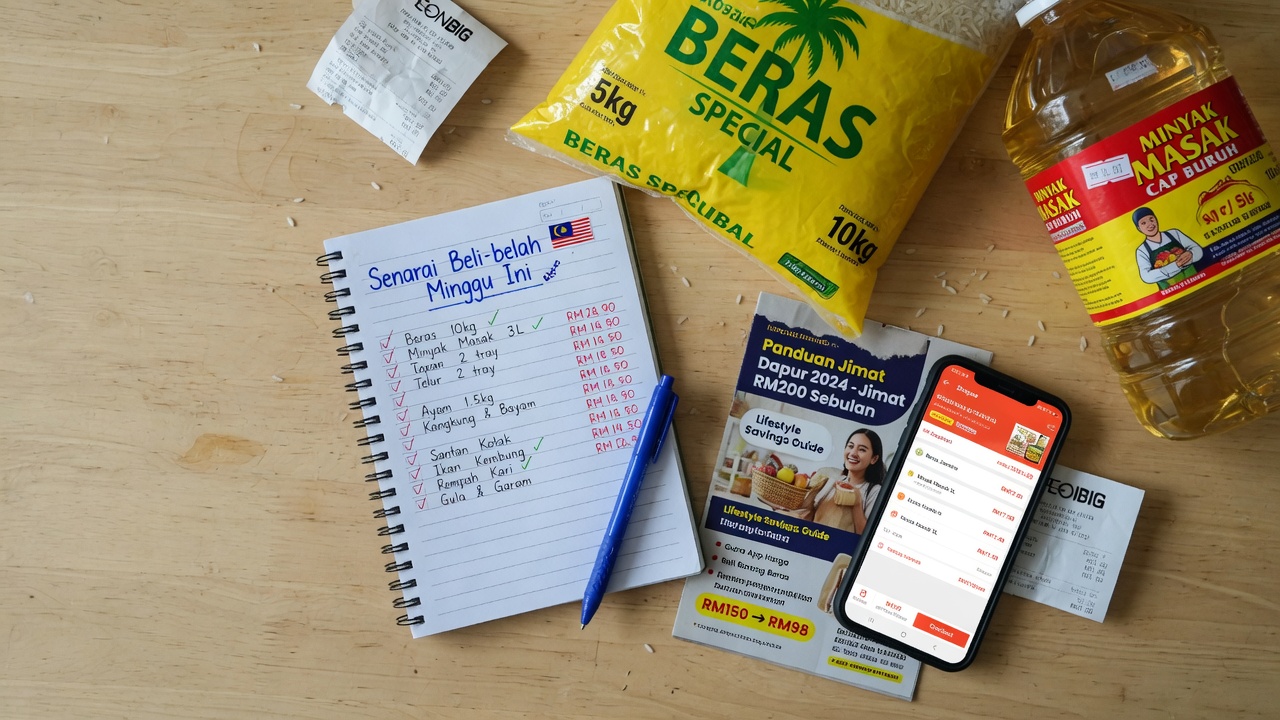
Official controlled lists change over time. Historically and in everyday conversation, shoppers watch:
| Category | Malay | Why it matters |
|---|---|---|
| Cooking oil | Minyak masak | High monthly volume |
| Sugar | Gula | Frequent restock |
| Flour | Tepung gandum | Baking & cooking staple |
| Rice (selected) | Beras | Household calorie base |
| Selected proteins / others | — | Period-specific measures |
How to use this table: treat it as a watchlist for comparison, not a legal schedule. When a control period is active, multi-store gaps on controlled SKUs may compress — then you optimise non-controlled basket lines (detergent, tissue, snacks, baby gear) where gaps are often larger.
Controlled ceiling vs “cheapest today”
A control mechanism is typically about limiting how high a price can go (policy language: maximum / disciplined pricing). Stores may still run lower temporary promos.
Illustrative comparison (not live quotes)
| Scenario | Store A | Store B | Shopper takeaway |
|---|---|---|---|
| Brand X sugar 1kg under a tight market | RM2.85 | RM2.85 | Gap ≈ 0 — optimise elsewhere |
| Same week, Brand Y detergent 3L | RM24.90 | RM21.50 | RM3.40 gap on non-controlled line |
| Oil 5kg promo under ceiling | RM39.90 | RM37.50 | Still worth comparing packs |
Lesson: during tight control periods, your biggest trolley wins often move to laundry, paper, baby, beverages — use Priceory zones on the homepage and search those categories.
Practical market-price tactics (2026 shopping)
1. Identify the exact SKU
Brand + variant + pack. “Oil” is not a SKU. “Brand X pure palm 5kg” is.
2. Compare across chains on Priceory
Open Compare when the same item appears under two merchants.
3. Convert to unit price
RM per kg / per litre beats gut feel. Write it in your notes app if needed.
4. Respect travel cost
A RM1.20 saving that costs RM8 of fuel is a loss. Cluster purchases by area (AEON mall trip vs neighbourhood 99).
5. Re-check after flyer drops
Lotus’s national Publitas flyers and AEON category promos rotate. Homepage last updated trust line tells you catalogues are alive.
Harga Terkawal vs MyKasih — don’t mix them up
| Harga Terkawal | MyKasih / bantuan | |
|---|---|---|
| Core idea | Price discipline on selected goods | Assistance / payment for eligible households |
| Who benefits | All shoppers (in theory) for listed goods | Registered recipients at participating outlets |
| Priceory role | Compare real shelf/flyer prices | Stretch staple spend; educational module only |
Read both: MyKasih guide and this page.
Savings tips when controls are “tight”
- Fix the boring staples first — oil, rice, sugar, flour.
- Hunt gaps on daily essentials — detergent guide, tissue, softener.
- Baby households — formula/diapers rarely behave like sugar pricing; use baby milk tips.
- Bulk carefully — 99 carton vs single.
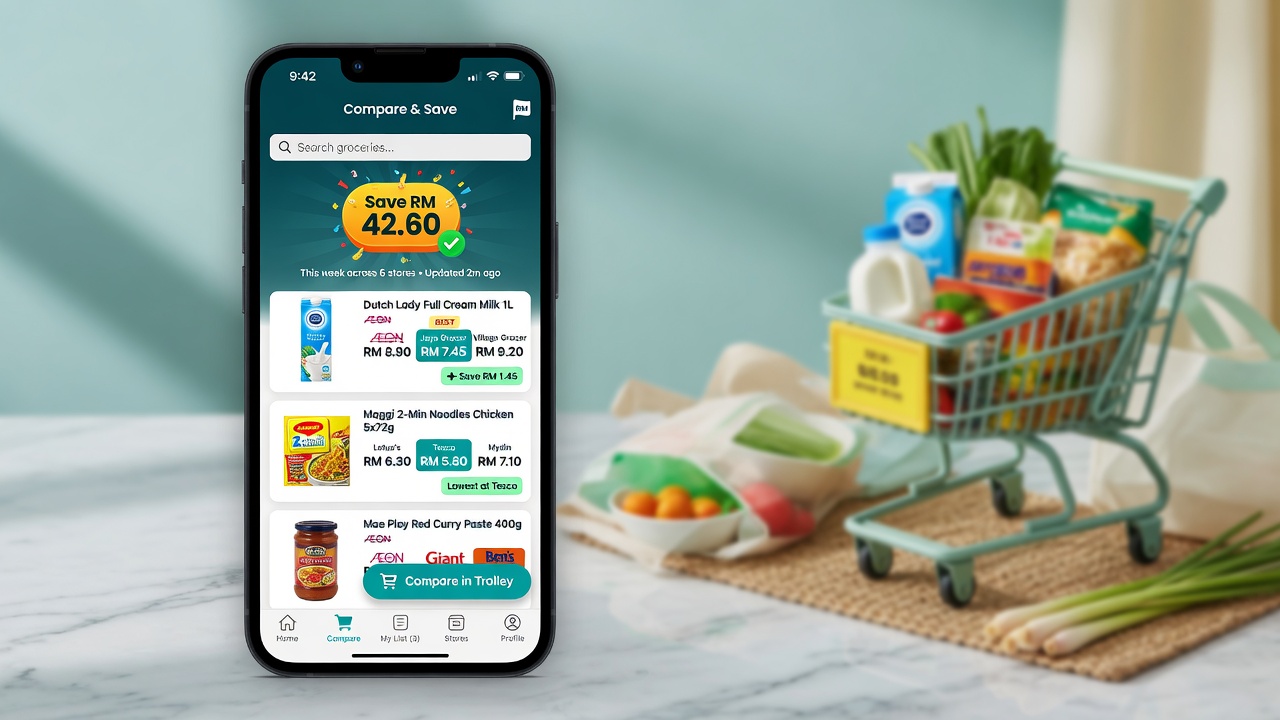
- Trust match quality — large “Save RM” badges should survive pack checks; see matching methodology.
Example monthly playbook (contoh bajet)
Week 1: Compare oil + rice on Priceory; buy at the cheaper shelf if gap > RM3 total. Week 2: Detergent + tissue multi-store check. Week 3: Baby milk/diapers only if packs and stages match. Week 4: Re-scan flyer-driven categories (Lotus’s / AEON) for pantry sauces and drinks.
Even if controlled staples only save RM5, non-controlled lines can add RM15–RM40 depending on household size — when packs are honest.
What Priceory will not do
- Display fake “official controlled price” badges without a verifiable data feed
- Merge carton vs single packs just to inflate savings
- Replace KPDN or retailer customer service
Related links
- MyKasih shopping guide
- Cost of living grocery tips
- AEON vs Lotus’s vs 99
- Tools: Home · Search · Compare
Bottom line
Harga Terkawal is about market discipline on essentials. Your job as a shopper is still to match SKUs and compare shelves. When control compresses staple gaps, shift optimisation energy to categories where multi-store differences remain large — and let Priceory surface those gaps quickly.
Related guides
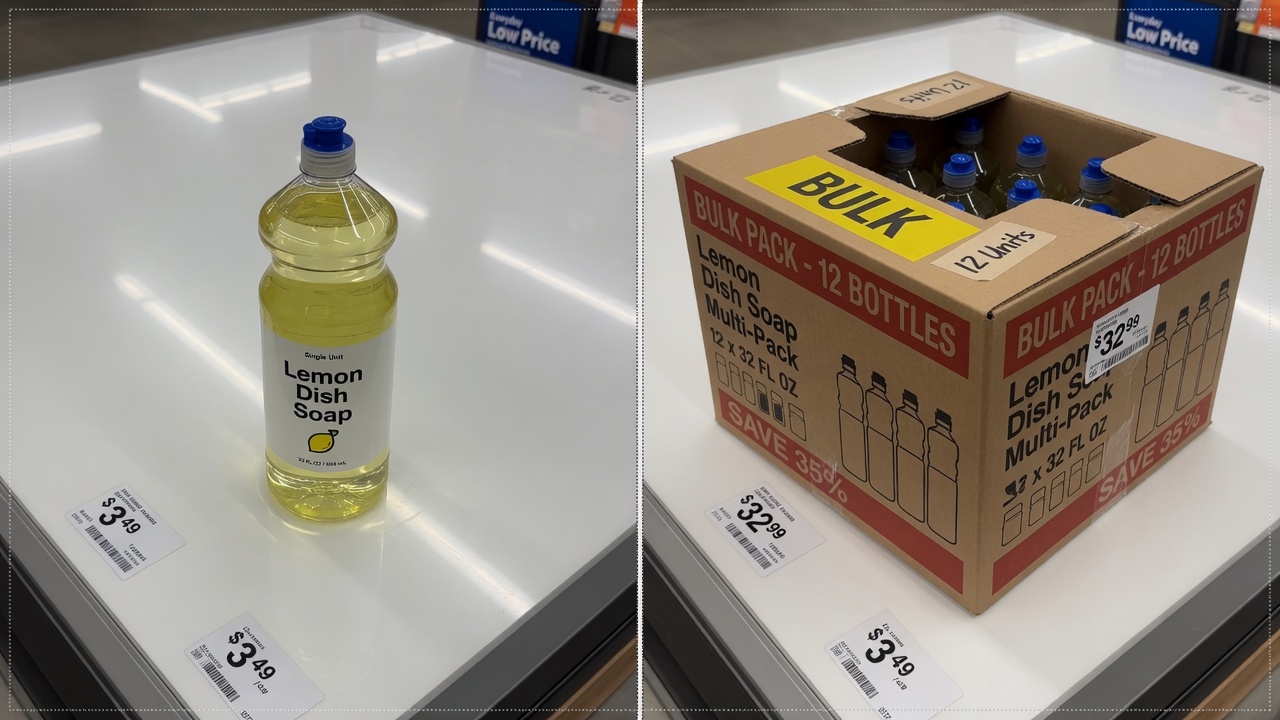 99 Speedmart Carton vs Single — When Bulk Packs Actually Save Money
 Anmum Price Compare Malaysia — Materna, Lacta & Essential Step
 Baby Feels Warm / Fever Worry Malaysia — First-Time Parent Red Flags
 Baby Keeps Crying Malaysia — First-Time Parent Calm Checklist (Not Medical Advice)
 Baby Red Skin & Diaper Rash Malaysia — Care Red Flags + Wipes/Diaper Price Tips
 Baby Tummy Pain & Wind Malaysia — Calm Parent Guide (Clinic First)
Plan this week → · catalogue prices · confirm on shelf