Debit vs Credit vs E-Wallet in Malaysia — The Only Comparison Table You Need
Debit, credit, and e-wallets in Malaysia compared — fees, risk, rewards, scenarios, healthy stack, and when each wins for real life.
Opening monologue
Debit is your responsible friend. Credit is the fun friend who becomes a villain if unpaid. E-wallet is the friend who always has QR ready and somehow spends RM17 on “just snacks.”
You can keep all three. You should not fund chaos with all three.
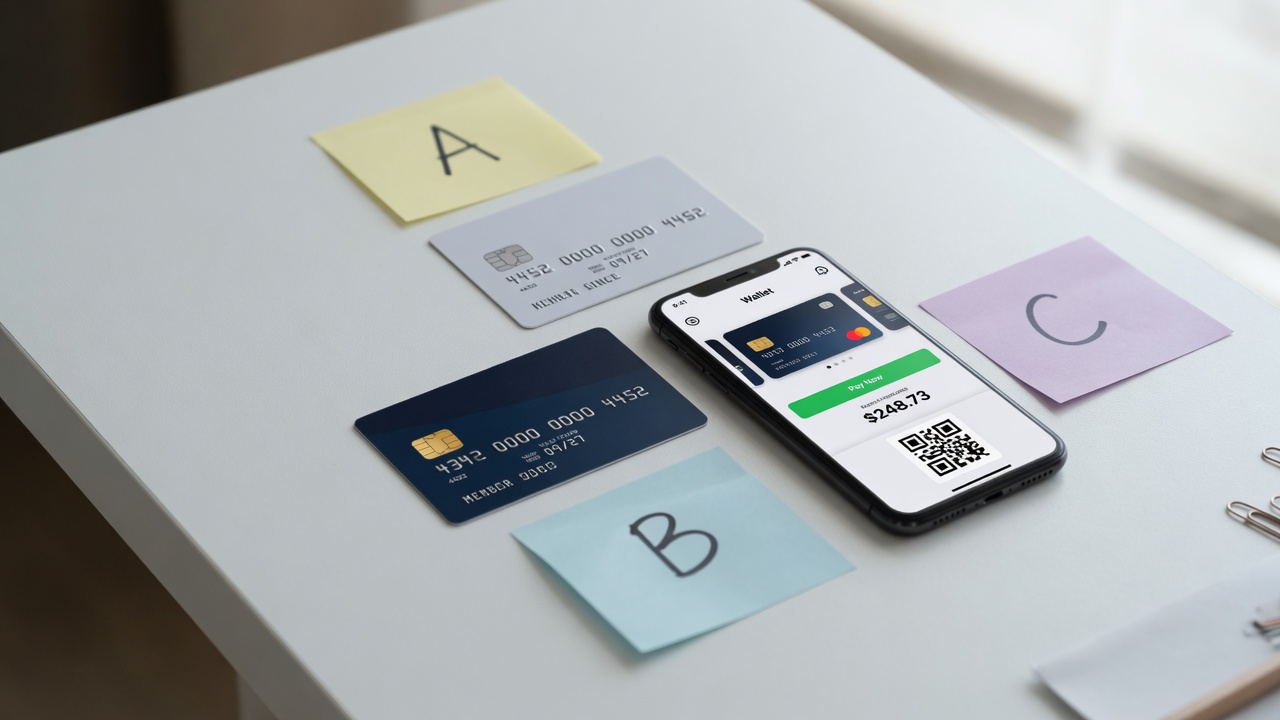
Need the 60-second version first? → Payment Type A / B / C cheat sheet
Not financial advice. Check your bank / wallet fee tables.
The big table
| A · Debit | B · Credit | C · E-wallet | |
|---|---|---|---|
| Money | Yours | Bank’s (you repay) | Preloaded |
| Overspend risk | Low | High if lazy | Medium |
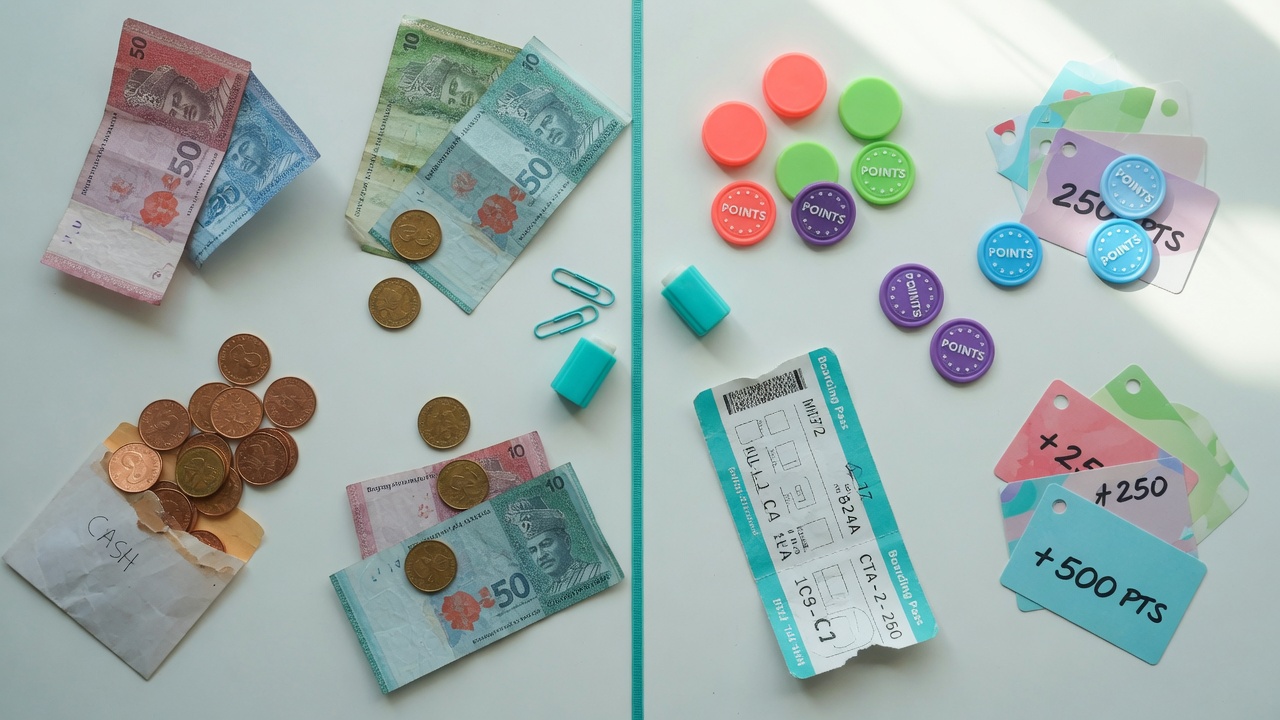
| Rewards | Meh | Can be great | Promo-dependent |
| Interest drama | No | Yes if revolving | No* |
| Daily QR life | OK | OK | Chef’s kiss |
| Hotel holds | Sometimes awkward | Usually smooth | Rarely ideal |
| Credit history | Limited | Yes | Nope |
| Best persona | Controllers | Full-payers | Float people |
\*Unless you’ve created a credit→wallet→minimum-payment spiral. Don’t.
When each one wins
Debit wins when you’re building discipline or exiting debt. Credit wins when full payment is automatic and rewards are real. E-wallet wins for small, frequent, QR-shaped life.
Deep dives:
Scenario speedrun
| Moment | Play |
|---|---|
| First salary | A + C |
| Family trolley season | Price compare, then B cashback or A |
| Clearing balances | A only (payoff) |
| Trip abroad | B carefully + A backup |
| Mamak + parking | C with a weekly cap |
| Hotel booking | B usually |
| “I don’t trust myself” | A (+ small C) |
Fees: the unsexy part that matters
Banks hide personality in fee tables. Skim once a year:
| Tool | Watch for |
|---|---|
| Debit | Other-bank ATM, FX, replacement, annual (sometimes waived) |
| Credit | Annual, late, cash advance, FX, transfer fees |
| Wallet | Top-up fees, cash-out, promo min spends |
Screenshot your PDS / fee page. Future-you will thank you.
Healthy stack (steal this)
- Salary → current account
- Weekly wallet top-up from debit only (e.g. RM100–200)
- One credit card for planned categories, full pay
- Grocery prices checked on Priceory before you leave home
Unhealthy stack: credit funds wallet funds impulse funds minimum payment. That’s not a stack. That’s a trap with good UX.
Worked week: Hafiz’s money OS
| Day | Move |
|---|---|
| Payday | Bills + buffer stay in account (debit world) |
| Monday | Top up TnG/GrabPay RM150 from debit |
| Wed grocery | Compares oil/rice on search, pays with cashback credit, full pay set |
| Friday snacks | Wallet only — float empty = stop |
| Statement day | Credit auto-pays full. No “minimum personality.” |
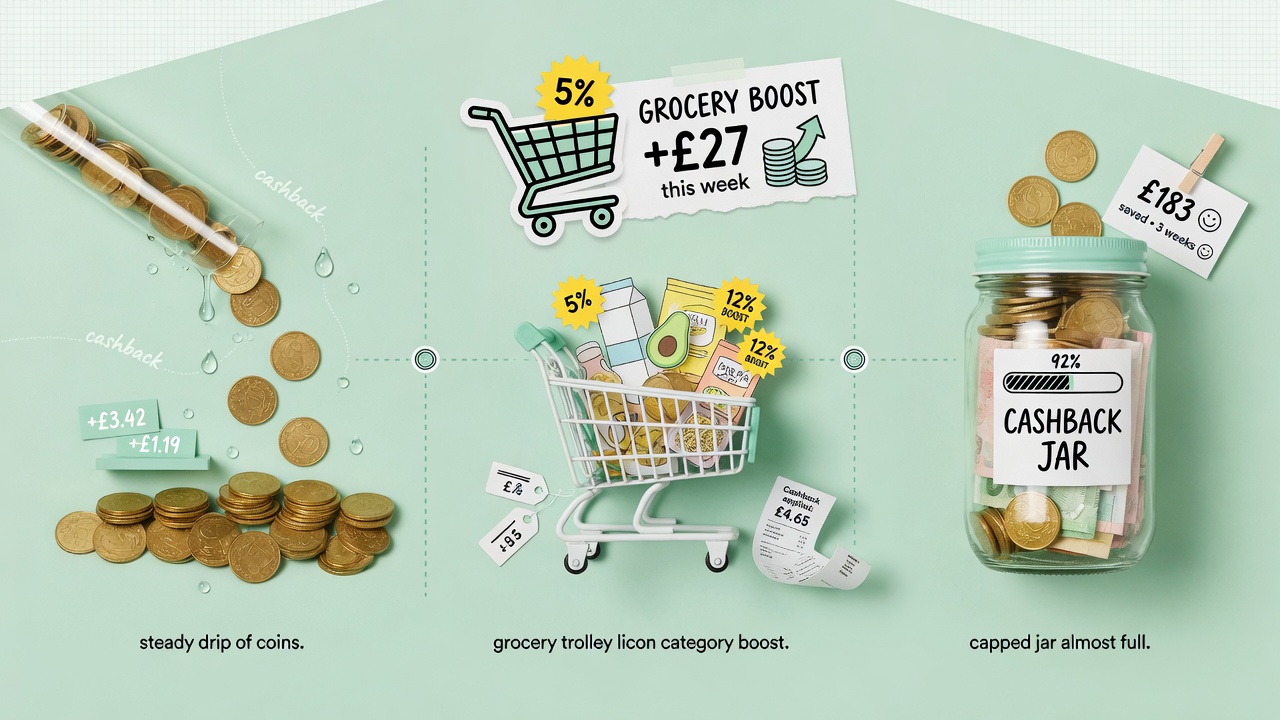
Hafiz’s cashback only exists because step “full pay” is boringly reliable.
Grocery note (Priceory bias, proudly)
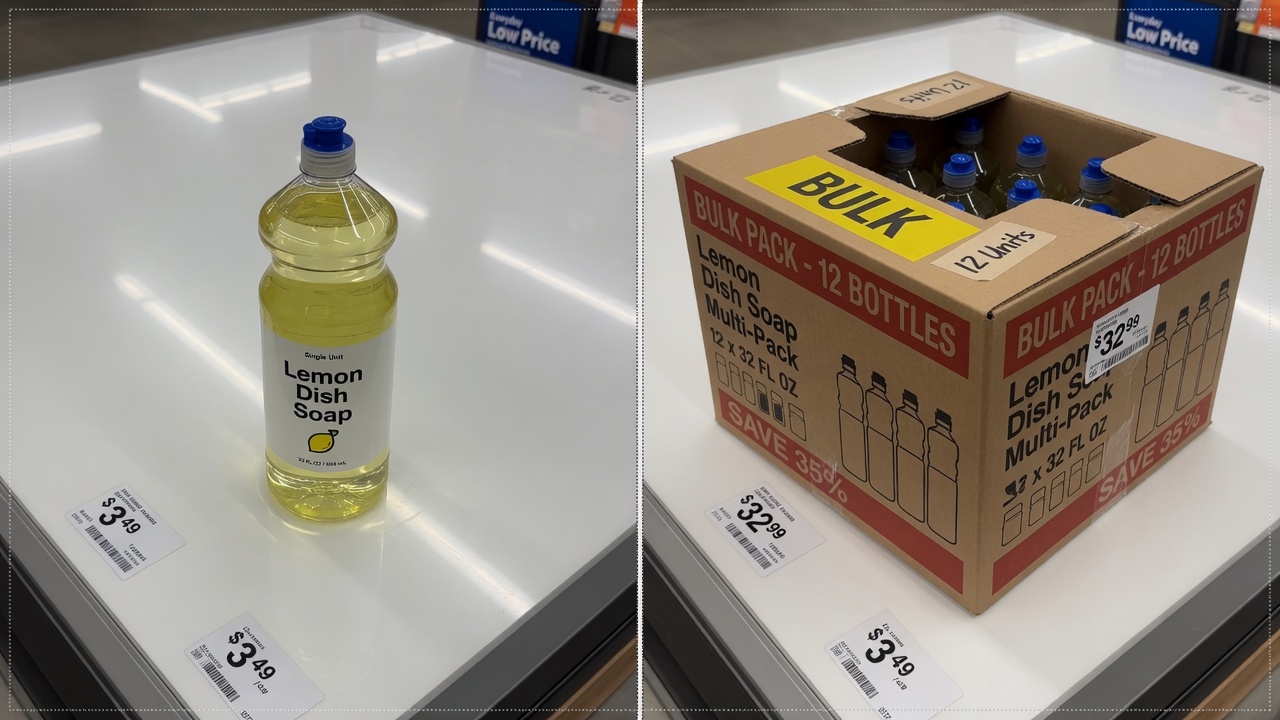
How you pay is step four. What you pay for is steps one–three.
Grocery pay A/B/C · Jimat playbook · Pantry Jimat
Bottom line
| Want | Use |
|---|---|
| Control | A Debit |
| Rewards | B Credit (full pay) |
| Speed | C E-wallet (capped float) |